
May I be Happy
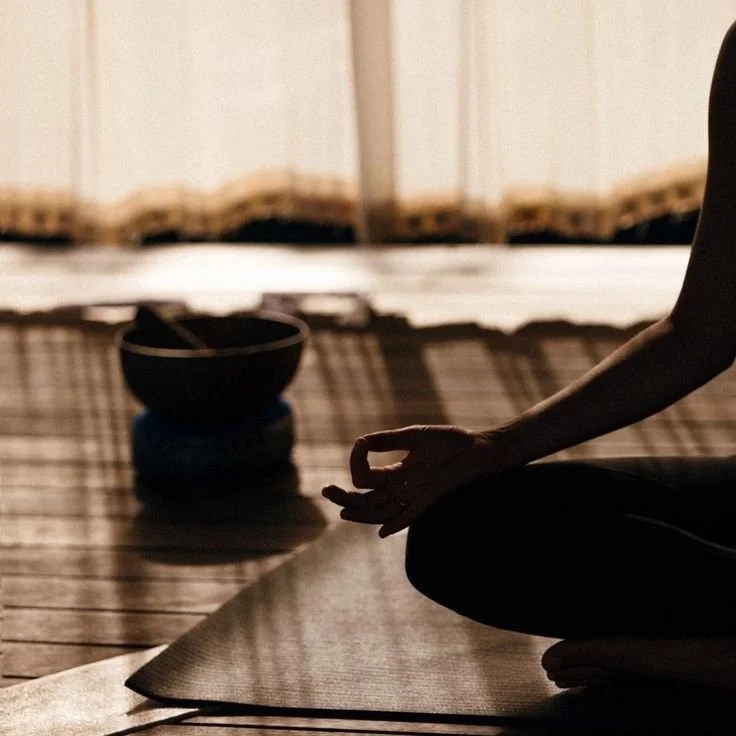
The pursuit of happiness seems to be a ubiquitous human experience. Indeed, it seems like our entire economy is organized around suggesting that we are not happy and then offering some product, experience, or pill that will make us happy. From this vantage point, it appears that our economy is hawking suffering, not happiness. It’s no wonder rates of anxiety and depression are high. This has led me to an exploration of what it means to be happy.
It has been hard to be happy this week. Physical discomfort and disrupted sleep have rendered me decidedly un-happy. I have not been able to run comfortably for several weeks and this has added to my current state of discontent. I have travelled through all the stages of grief – denial (no really, I’m FINE!), anger (this is a result of my own doing, I SHOULD know better!), bargaining (okay, I’ll back off running. Stopping isn’t really necessary. Or is it?), depression (I’m broken, I’ll NEVER run again. Waaaa!), and finally acceptance (ok body, you win. I’ll listen.) I have no idea where this healing journey will take me – it could resolve in a week, a month, or longer. This uncertainty isn’t easy for me but thanks to my mindfulness practice I have increased my capacity and learned to embrace not knowing as a place for exploration and growth.
This has led me to inquire, can I be happy when life doesn’t go the way I expected, desired, or even hoped it would?
I remember my first running race almost 10 years ago. I had no idea what my time was or how I performed compared to others. I was just happy that I had accomplished something hard. Fast forward a few years and my perspective has changed. I got hooked on achievement and performance each race setting my sights on besting my previous performance and nudging the bar a little higher. It seemed that no matter how I did, my experience was always in the past picking out all of the things that kept me from doing better, or in the future planning for how to improve my performance. Enjoyment was not a part of the equation.
Don’t get me wrong, I have had plenty of fun. I love the excitement of a race and the community of athletes that come together to compete with each other, and I have made many great friends through running. What I am noticing is that my overall enjoyment and the satisfaction I get from racing is waning. But this is not a post about my relationship with running, it’s a post about happiness.
The first offering of the metta practice is for happiness. May I, may you, may all beings be happy. It’s tempting to translate this into may I, may you, may all beings have what they want, when they want it, and as they want it. Having our desires fulfilled certainly creates a sense of happiness, but is it lasting? Based on the frequency of Amazon packages arriving at my doorstep, I’d say no.
Desire is like a drug – dopamine levels rise, increasing the desire until it must be fulfilled. The rush lasts for a bit, but then, poof it’s gone and the cycle begins again. Wisdom traditions call this suffering – the constant seeking of satisfaction. The happiness that the metta practice invites is not reliant on external circumstances. It is a practice of seeing reality as it is and accepting whatever is arising – pleasant, unpleasant, or neither. It is an awareness that all experiences are temporary and a knowing that wholeness remains always intact. The practice asks one to find the stillness that exists beneath the rise and fall of mental activity and to find that which does not come and go. Wanting is rooted in lack. Happiness is rooted in enough.
In yoga, experiencing happiness is the observance of Santosha, or contentment. It is considered by some as one of the most elusive emotions but also one of the most blessed. According to Bhava Ram “the key to any lasting contentment is learning to see and accept reality for what it is and then acting skillfully, rather than reacting when reality fails to conform to our expectations.”[1] I like the term contentment – it seems more accessible than happiness. One online source defines contentment as a state of low-arousal happiness. It is cultivated through a radical appreciation of all of life’s experiences.
I’m not sure that the distinction between happiness and contentment is important. Both are states that we create in ourselves through practices like mindfulness, gratitude, compassion, and letting go. But the buck doesn’t stop here. The metta practice does not limit the wishes to ourselves. In order to become truly open-hearted we must selflessly offer the same wishes to others – friends, foes, and strangers. This can be a tall order, I know. When it’s easy, it’s easy and when it’s hard, it can feel impossible. Remember that the opening of the heart (the offering) is the practice and that the outcome is none of our business.
It has taken me a while to work my way through this post. As it turns out, happiness – my definition of it and my capacity to cultivate it as a way of being – is simple, but not always easy. Some of my woes are resolving while others have not. What I’ve realized, though, is that my ability to feel contentment in the moment – even the ones I don’t like – has become easier. I still run headlong into the trappings of desire and aversion, and old habitual patterns of thought, but mindfulness allows me to see the reality of what is arising. This seeing provides me with the space to respond skillfully, even if it is just to choose not to believe the story my mind is telling me. I am reminded of the 12-step prayer where one asks for “the strength to accept the things one cannot change, the power to change the things one can, and the wisdom to know the difference.” In other words, may I be happy.
[1] Bhava Ram, The Eight Limbs of Yoga, Pathway to Liberation, p. 103
